
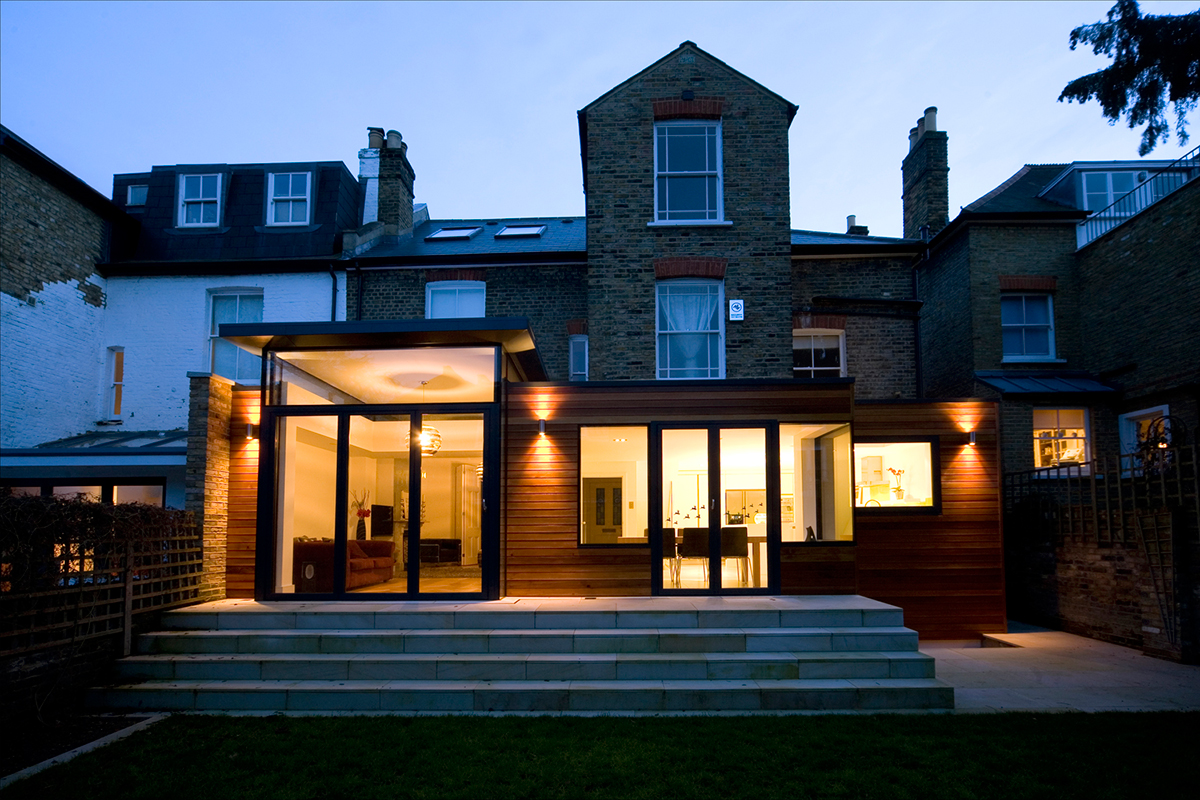
Securing planning permission can feel daunting, particularly if you’ve never navigated the process before. Understanding what’s required—and preparing thoroughly—significantly improves your chances of approval and reduces unnecessary delays.
This comprehensive checklist covers everything you need to know about planning permission for home extensions across London and Surrey, from determining whether you need consent at all through to receiving your decision.
Do You Actually Need Planning Permission?
Before diving into the application process, establish whether planning permission is required. Many home extensions fall within “permitted development” rights, meaning you can proceed without formal consent.
Permitted Development: Key Criteria
For single-storey rear extensions:
- Detached houses: Up to 8 metres depth (or 4 metres in conservation areas)
- Semi-detached and terraced: Up to 6 metres depth (or 3 metres in conservation areas)
- Maximum height: 4 metres
- Eaves height: Cannot exceed existing house eaves
For two-storey rear extensions:
- Maximum depth: 3 metres from original rear wall
- Minimum distance: 7 metres from rear boundary
- Maximum eaves height: 3 metres within 2 metres of boundary
For side extensions:
- Single storey only under permitted development
- Maximum width: Half the width of the original house
- Maximum height: 4 metres
When Permitted Development Doesn’t Apply
You’ll need planning permission if:
- Your property is in a conservation area
- Your home is a listed building
- You live in a flat or maisonette
- Permitted development rights have been removed (Article 4 Direction)
- Previous extensions have used your permitted development allowance
- The extension faces a highway
- Your property is in an Area of Outstanding Natural Beauty
In areas like Hampstead, Dulwich, and Highgate, conservation area designations mean most extensions require formal consent.
Lawful Development Certificate
Even when permitted development applies, consider obtaining a Lawful Development Certificate (LDC). This provides official confirmation that your extension is lawful, which proves valuable when selling your property or remortgaging.
Pre-Application Checklist
Complete these steps before submitting your planning application.
Property Research
- Confirm property status: Check if your home is listed or in a conservation area via your local authority’s planning portal
- Review Article 4 Directions: Determine whether permitted development rights have been removed
- Check planning history: Review previous applications and approvals for your property
- Identify constraints: Note any tree preservation orders, flood zones, or rights of way
- Obtain title deeds: Confirm exact boundary positions and any restrictive covenants
Design Preparation
- Commission measured survey: Accurate existing drawings are essential
- Develop design proposals: Work with an architect to prepare scheme drawings
- Consider neighbour impact: Assess overlooking, overshadowing, and visual impact
- Review design policies: Understand your borough’s specific design guidance
- Prepare supporting information: Photographs, site context, design rationale
Pre-Application Advice
Most London boroughs and Surrey districts offer pre-application services. Whilst not mandatory, these consultations provide valuable insight into likely planning officer responses.
Benefits of pre-application advice:
- Early identification of potential issues
- Guidance on policy requirements
- Understanding of design expectations
- Opportunity to amend proposals before formal submission
- Named officer contact for your application
Pre-application services by area:
| Authority | Service Availability | Typical Response Time |
| Westminster | Comprehensive service | 4-6 weeks |
| Kensington & Chelsea | Written and meeting options | 4-6 weeks |
| Camden | Tiered service levels | 3-5 weeks |
| Islington | Householder service available | 4 weeks |
| Wandsworth | Online and meeting options | 3-4 weeks |
| Lambeth | Written advice service | 4-5 weeks |
| Southwark | Tiered packages | 3-5 weeks |
| Hackney | Duty planner and formal services | 3-4 weeks |
| Elmbridge (Surrey) | Comprehensive service | 4-6 weeks |
| Guildford | Written and meeting options | 4-5 weeks |
| Woking | Pre-application service | 3-4 weeks |
For properties in Westminster or Kensington, pre-application engagement is particularly advisable given the stringent design expectations.
Application Documentation Checklist
Ensure your submission includes all required documents to avoid validation delays.
Mandatory Documents
- Completed application form: Available via Planning Portal or local authority website
- Location plan: 1:1250 or 1:2500 scale showing property outlined in red and any adjacent land in blue
- Site plan: 1:500 or 1:200 scale showing proposed extension in context
- Existing floor plans: 1:50 or 1:100 scale showing current layout
- Proposed floor plans: 1:50 or 1:100 scale showing intended changes
- Existing elevations: 1:50 or 1:100 scale showing all affected external views
- Proposed elevations: 1:50 or 1:100 scale showing new external appearance
- Application fee: Correct fee for householder application (currently £258)
- Ownership certificate: Certificate A, B, C, or D as appropriate
- Agricultural holdings declaration: Required even if not applicable
Additional Documents (Where Required)
- Design and Access Statement: Required for listed buildings and some conservation areas
- Heritage Statement: For listed buildings or properties affecting heritage assets
- Tree Survey: If trees are present on or adjacent to the site
- Flood Risk Assessment: For properties in flood zones 2 or 3
- Contaminated Land Assessment: Where land contamination is suspected
- Structural methodology: For basement excavations in certain boroughs
Drawing Requirements
Ensure all drawings include:
- Accurate scale bar
- North point
- Drawing title and number
- Site address
- Date of preparation
- Key dimensions
- Material annotations
- Existing features to be removed shown dotted
For extensions in Camden, Islington, and Greenwich, conservation officers scrutinise drawings carefully—quality and accuracy matter.
Borough-Specific Requirements and Timeframes
Planning requirements and processing times vary across London and Surrey. Understanding your local authority’s particular expectations improves application success.
Central London Boroughs
| Borough | Key Considerations | Target Decision Time | Common Issues |
| Westminster | Exceptional design standards, heritage sensitivity | 8 weeks | Scale, materials, fenestration details |
| Kensington & Chelsea | Strict basement policies, Article 4 coverage | 8 weeks | Basement depth, party wall impacts |
| Camden | Extensive conservation areas, detailed design guidance | 8 weeks | Roof extensions, rear visibility |
Properties in Chelsea face particularly detailed scrutiny, with conservation officers assessing material choices and architectural detailing carefully.
Inner London Boroughs
| Borough | Key Considerations | Target Decision Time | Common Issues |
| Islington | Georgian and Victorian heritage, roof extension policies | 8 weeks | Roof forms, boundary relationships |
| Hackney | Mixed heritage areas, emerging policies | 8 weeks | Contemporary design integration |
| Southwark | Varied character areas, design review panels | 8 weeks | Height, massing, neighbour impact |
| Lambeth | Conservation areas, Article 4 directions | 8 weeks | Scale relative to neighbours |
| Wandsworth | Design quality expectations, neighbour amenity focus | 8 weeks | Overlooking, overshadowing |
| Lewisham | Heritage assets, sustainability requirements | 8 weeks | Energy efficiency, biodiversity |
In Hackney and Brixton (Lambeth), the mix of conservation areas and more permissive zones requires careful site-specific assessment.
South London Boroughs
| Borough | Key Considerations | Target Decision Time | Common Issues |
| Wandsworth | Active enforcement, design quality focus | 8 weeks | Side extensions, roof alterations |
| Merton | Village character protection, Wimbledon sensitivity | 8 weeks | Scale in residential areas |
| Richmond | Extensive conservation, riverside settings | 8 weeks | Views, heritage impact |
| Kingston | Town centre and suburban distinctions | 8 weeks | Neighbour amenity |
Extensions in Wandsworth, Battersea, and Putney benefit from understanding the council’s emphasis on neighbourly development.
North London Boroughs
| Borough | Key Considerations | Target Decision Time | Common Issues |
| Camden | Heritage focus, detailed guidance | 8 weeks | Roof forms, materials |
| Barnet | Suburban character, family housing policies | 8 weeks | Scale, parking provision |
| Haringey | Conservation areas, emerging tall building policies | 8 weeks | Height, neighbour relationships |
| Enfield | Green Belt fringes, suburban character | 8 weeks | Proportionate extensions |
Properties in Highgate, Muswell Hill, and Barnet often fall within conservation areas requiring sensitive design approaches.
West London Boroughs
| Borough | Key Considerations | Target Decision Time | Common Issues |
| Hammersmith & Fulham | Mixed character, basement policies | 8 weeks | Basement excavations, party walls |
| Ealing | Suburban focus, varied character areas | 8 weeks | Scale, design quality |
| Hounslow | Heritage assets, flight path considerations | 8 weeks | Noise mitigation, height restrictions |
| Richmond | Premium heritage sensitivity | 8 weeks | Conservation area compliance |
In Fulham, Hammersmith, and Ealing, basement policies have tightened considerably in recent years.
Surrey Districts
| Authority | Key Considerations | Target Decision Time | Common Issues |
| Elmbridge | Green Belt, affluent residential character | 8 weeks | Proportionate development, Green Belt policy |
| Guildford | Historic town, rural surroundings | 8 weeks | Heritage impact, AONB sensitivity |
| Woking | Town centre regeneration, suburban areas | 8 weeks | Design quality, parking |
| Epsom & Ewell | Residential character, Green Belt edges | 8 weeks | Scale, neighbour amenity |
| Runnymede | Green Belt coverage, riverside settings | 8 weeks | Very special circumstances arguments |
| Spelthorne | Flood risk areas, residential suburbs | 8 weeks | Flood mitigation, design integration |
Properties in Cobham, Weybridge, and Leatherhead frequently involve Green Belt considerations requiring careful justification.
In Guildford, Woking, and Epsom, understanding the distinction between urban and rural policy areas proves essential.
Prestigious locations like Ascot, Windsor, and Walton-on-Thames often involve substantial properties where design quality expectations are high.
Neighbour Consultation Checklist
Managing neighbour relationships proactively reduces objections and potential delays.
Before Submission
- Inform immediate neighbours: Share proposals informally before submitting
- Address obvious concerns: Modify designs to mitigate overlooking or overshadowing where feasible
- Document conversations: Keep records of discussions and any agreements reached
- Consider boundary treatments: Propose screening or planting where beneficial
- Party Wall implications: Advise neighbours if Party Wall Act applies
During Application
- Monitor comments: Check planning portal for neighbour representations
- Respond constructively: Work with your architect to address legitimate concerns
- Maintain communication: Keep neighbours informed of any amendments
Common Neighbour Concerns
| Concern | Mitigation Strategies |
| Overlooking | Obscured glazing, high-level windows, careful positioning |
| Loss of light | Reduced depth, lower roof heights, set-backs from boundaries |
| Visual impact | Quality materials, sympathetic design, screening planting |
| Noise during construction | Agreed working hours, construction management plan |
| Property value | Difficult to address—focus on amenity impacts instead |
In terraced streets across Clapham, Brixton, and Battersea, neighbour relationships particularly influence application outcomes.
Application Submission Checklist
Final Checks Before Submission
- All forms complete: Every section filled, no blanks
- Correct fee calculated: Verify current fee structure
- Documents named correctly: Follow planning portal conventions
- File sizes appropriate: Compress large drawings if necessary
- Ownership certificates accurate: Signed and dated correctly
- Site address consistent: Same address across all documents
- Agent details correct: If submitting via architect or planning consultant
Submission Options
Planning Portal (recommended):
- Online submission with tracking
- Automatic distribution to consultees
- Easier document management
- Payment processing included
Direct to local authority:
- Some authorities accept direct submissions
- May offer alternative payment methods
- Can facilitate pre-submission discussions
Post-Submission Actions
- Note application reference: Record for future correspondence
- Set calendar reminders: Target decision date, consultation deadlines
- Monitor portal: Check for validation, consultation responses, officer reports
- Respond promptly: Address any requests for additional information quickly
During the Application Process
Typical Timeline
| Stage | Timeframe | Your Actions |
| Validation | 5-10 working days | Respond to any requests for additional information |
| Consultation | 21 days minimum | Monitor neighbour comments, prepare responses if needed |
| Officer assessment | Weeks 3-6 | Available for site visit, respond to queries |
| Decision preparation | Weeks 6-8 | Consider any proposed conditions |
| Decision issued | Week 8 (target) | Review decision notice carefully |
Site Visits
Planning officers typically conduct site visits for householder applications. Be prepared:
- Ensure access: Be available or provide key holder details
- Property presentable: Officer will assess existing conditions
- Neighbour context visible: Don’t obstruct views of adjacent properties
- Drawings available: Have copies on site for reference
Responding to Officer Queries
Planning officers may request:
- Additional drawings: Sections, detailed elevations, context views
- Design justification: Explanation of material choices, design rationale
- Technical information: Structural details, drainage strategies
- Amended plans: Modifications addressing identified concerns
Respond promptly and constructively. An experienced architect familiar with Richmond, Merton, or Lambeth planning departments can manage this dialogue effectively.
Decision Outcomes
Approval with Conditions
Most approvals include conditions. Common conditions for home extensions:
- Time limit: Typically three years to commence development
- Approved drawings: Works must accord with specified plans
- Materials: Samples or details to be approved before use
- Obscure glazing: Specific windows to be non-opening and obscured
- Permitted development removal: Preventing future alterations without consent
- Construction management: Hours of working, delivery arrangements
Review conditions carefully before commencing work. Some require “discharge” (formal approval) before construction begins.
Refusal
If your application is refused, you have options:
- Amended application: Address reasons for refusal and resubmit
- Appeal: Challenge the decision via the Planning Inspectorate
- Seek advice: Consult with planning professionals about prospects
Refusal reasons typically relate to:
- Design quality or character impact
- Neighbour amenity (light, outlook, privacy)
- Scale or massing inappropriate to context
- Heritage harm in conservation areas
- Policy non-compliance
In Notting Hill, Primrose Hill, and Greenwich, heritage-related refusals are common where proposals insufficiently respect local character.
Post-Approval Checklist
Planning permission is just the beginning. Before construction:
Building Regulations
- Submit Building Regulations application: Full plans or building notice
- Appoint Building Control: Local authority or approved inspector
- Structural calculations: Commission from qualified engineer
- Coordinate inspections: Understand notification requirements
Party Wall Act
If your extension affects shared boundaries:
- Identify affected neighbours: Those sharing walls or within prescribed distances
- Serve notices: Appropriate notice type for proposed works
- Allow response period: Minimum 14 days for most notices
- Appoint surveyors: If neighbours dissent
- Obtain Party Wall Award: Before commencing relevant works
Pre-Construction
- Discharge conditions: Submit details for approval where required
- Appoint contractor: Obtain competitive quotes, check references
- Finalise contract: Agree scope, programme, payment terms
- Notify Building Control: Required start notification
- Arrange insurance: Contract works, public liability
Working with Professionals
Navigating planning permission is significantly easier with professional support.
What an Architect Provides
- Design development: Creating proposals that satisfy planning requirements
- Drawing production: Accurate, compliant documentation
- Application management: Submission, monitoring, officer liaison
- Problem solving: Addressing issues that arise during assessment
What a Planning Consultant Provides
- Policy analysis: Detailed understanding of relevant planning policies
- Pre-application strategy: Maximising chances of approval
- Application support: Statements, justifications, appeal expertise
- Specialist knowledge: Heritage, environmental, or complex policy matters
For extensions in Surbiton and Kingston, local knowledge of planning officer expectations proves particularly valuable.
Common Mistakes to Avoid
Application Errors
- Incomplete forms: Missing information delays validation
- Inaccurate drawings: Discrepancies between plans cause confusion
- Wrong fee: Incorrect payment prevents validation
- Missing ownership certificate: Application cannot proceed without this
- Poor quality documents: Illegible drawings frustrate assessment
Design Issues
- Ignoring context: Proposals that disregard local character face resistance
- Maximising at all costs: Pushing boundaries often backfires
- Overlooking neighbours: Inadequate consideration of amenity impacts
- Poor material choices: Inappropriate materials undermine otherwise good designs
- Insufficient detail: Vague proposals receive cautious responses
Process Mistakes
- No pre-application: Missing opportunity for early guidance
- Ignoring neighbour concerns: Objections carry weight if unaddressed
- Slow responses: Delays in providing information extend timescales
- Starting before approval: Enforcement action risks significant costs
Quick Reference: Application Fees
| Application Type | Current Fee |
| Householder planning permission | £258 |
| Lawful Development Certificate (proposed) | £129 |
| Lawful Development Certificate (existing) | £129 |
| Discharge of conditions | £43 per condition |
| Non-material amendment | £43 |
| Listed Building Consent | No fee |
Fees correct as of 2024. Verify current fees before submission.
Summary Checklist
Before You Start
- Determine if planning permission is required
- Research property constraints and planning history
- Engage an architect to develop proposals
- Consider pre-application advice
- Consult neighbours informally
Application Preparation
- Commission measured survey
- Prepare all required drawings
- Complete application forms
- Gather supporting documents
- Calculate correct fee
Submission and Monitoring
- Submit via Planning Portal
- Note application reference and target dates
- Monitor consultation responses
- Respond to officer queries promptly
- Attend site visit if requested
Post-Decision
- Review conditions carefully
- Discharge pre-commencement conditions
- Submit Building Regulations application
- Serve Party Wall notices if required
- Commence within time limit
Professional Support for Your Extension
At Composition Architects, we guide homeowners through the planning process across London and Surrey. From initial feasibility assessment through to approval, we manage applications efficiently and effectively.
Our experience spans the region—from conservation-sensitive proposals in Hampstead and Dulwich to contemporary extensions in Clapham and Wandsworth, from Green Belt properties in Cobham to family homes in Ealing.
We understand what each planning authority expects and how to present proposals persuasively. Our pre-application strategies and application management have secured approvals for hundreds of homeowners.
Contact us to discuss your extension project and how we can help navigate the planning process.
Contact us: 0208 619 2001 | studio@composition.london